Indian Wedding Traditions Explained: Rituals, Customs, and Their Meaning in Marriage
Indian weddings are not just ceremonies—they are a sacred union of two individuals, two families, and centuries-old traditions. Rich in rituals, symbolism, and cultural values, Indian wedding traditions reflect love, commitment, respect, and lifelong companionship. Understanding these customs helps couples and families appreciate the deeper meaning behind every ceremony.
In this guide, we explain Indian wedding traditions, their rituals, and the true meaning of marriage in Indian culture.
The Importance of Marriage in Indian Culture
Marriage in India is considered a sacred bond, not just a legal contract. It represents:
-
Lifelong companionship
-
Family unity
-
Social responsibility
-
Spiritual growth
Unlike many modern relationships, Indian marriages emphasize commitment, compatibility, and family values, which is why traditions still hold immense importance today.
Pre-Wedding Rituals in Indian Weddings
1. Roka / Engagement Ceremony
The Roka ceremony marks the official acceptance of the marriage proposal by both families. Gifts, sweets, and blessings are exchanged, symbolizing mutual consent and happiness.
Meaning:
Commitment, family approval, and the beginning of a new journey.
2. Kundli Matching (Horoscope Matching)
In many Indian communities, horoscope matching is done to assess compatibility between the bride and groom based on astrology.
Meaning:
Ensures harmony, emotional compatibility, and marital stability.
3. Haldi Ceremony
Turmeric paste is applied to the bride and groom before the wedding day.
Meaning:
Purification, protection from negativity, and a natural glow for the wedding.
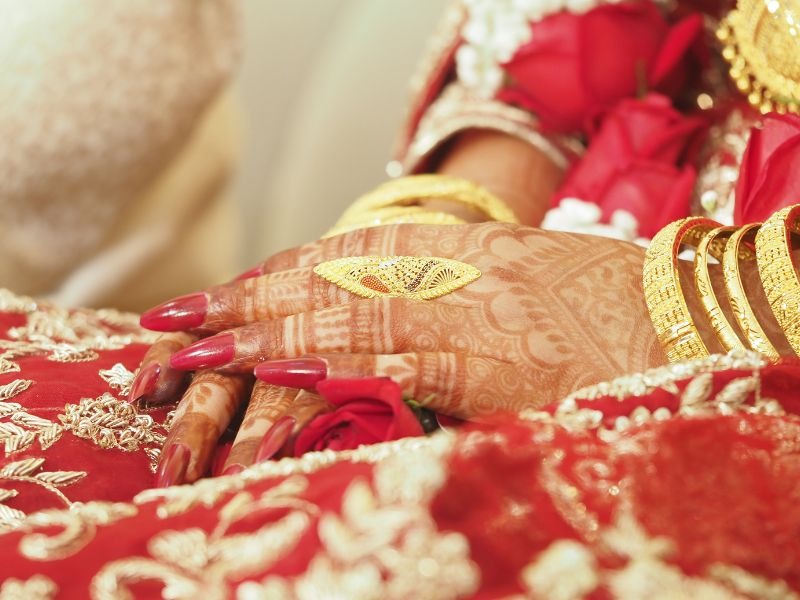
4. Mehndi Ceremony
Intricate henna designs are applied to the bride’s hands and feet.
Meaning:
Love, beauty, prosperity, and the strength of the marital bond.
Darker mehndi is often believed to symbolize deeper love.
Wedding Day Rituals and Their Significance
5. Baraat – The Groom’s Procession
The groom arrives with family and friends, dancing and celebrating.
Meaning:
Joy, celebration, and welcoming the groom into the bride’s family.
6. Jaimala (Garland Exchange)
The bride and groom exchange floral garlands.
Meaning:
Mutual acceptance, respect, and equality in marriage.
7. Kanyadaan
The bride’s parents place her hand into the groom’s hand.
Meaning:
The emotional moment where parents entrust their daughter to her life partner.
8. Mangal Pheras (Sacred Circles)
The couple walks around the sacred fire, taking vows.
Meaning:
Each phera represents a promise—love, trust, respect, loyalty, and shared responsibilities.
9. Sindoor & Mangalsutra
The groom applies sindoor and ties the mangalsutra.
Meaning:
Symbols of marriage, protection, and lifelong commitment.
Post-Wedding Traditions
10. Vidaai
The bride bids farewell to her family.
Meaning:
A new beginning, emotional transition, and acceptance of new responsibilities.
11. Griha Pravesh
The bride enters her new home.
Meaning:
Welcoming prosperity, happiness, and positive energy.
Regional Diversity in Indian Wedding Traditions
India’s diversity reflects in its wedding customs:
-
North Indian Weddings: Vivid rituals like Baraat and Pheras
-
South Indian Weddings: Simplicity, temple rituals, sacred chants
-
Bengali Weddings: Shubho Drishti, Sindoor Khela
-
Muslim Weddings: Nikah, Mehr, Walima
-
Christian Weddings: Church vows, rings, blessings
Each region celebrates marriage uniquely, yet the essence remains the same—love, respect, and unity.
Why Indian Wedding Traditions Still Matter Today
Despite modern lifestyles, Indian wedding traditions continue to thrive because they:
-
Strengthen family bonds
-
Teach responsibility and respect
-
Promote emotional and spiritual connection
-
Create a strong foundation for married life
For couples choosing arranged or love marriages, these rituals add depth and meaning to their union.
Finding the Right Life Partner in Indian Culture
Indian marriages focus on compatibility, values, and family alignment. Whether traditional or modern, choosing the right partner is the most important step before wedding rituals begin.
Platforms like AOneWedding help individuals and families find compatible life partners while respecting cultural traditions, values, and personal preferences.
👉 Create your free matrimonial profile today and take the first step toward a meaningful marriage.
